Website Accessibility in 2026: What Businesses Need to Know About ADA Compliance
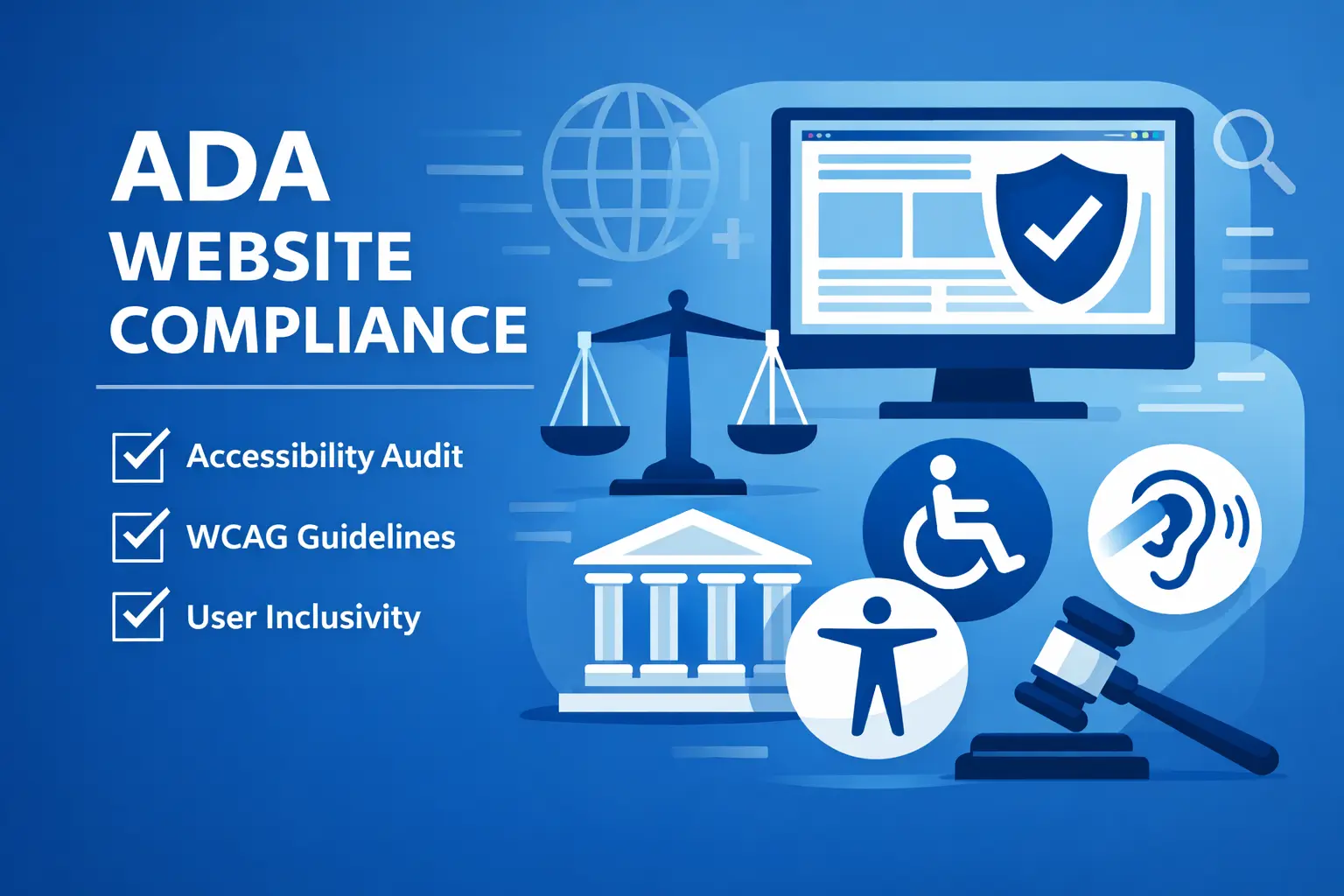
In 2026, digital accessibility is more important than ever for businesses and nonprofits. ADA compliance isn’t just a legal requirement — it’s an opportunity to create websites that are usable, inclusive, and designed for all visitors. Organizations that act proactively now will avoid costly retrofits, minimize risk, and provide a superior experience for every user.
At Baldwin Web Design, we partner with clients to ensure their websites meet current accessibility standards while supporting their business goals. Here’s what you need to know about accessibility in 2026 and how to stay ahead.
What’s Changing in 2026
Digital accessibility guidelines continue to evolve, and 2026 brings renewed focus from regulators, advocacy groups, and users themselves. Key trends include:
- Updated ADA interpretations: Courts and regulators are clarifying how the Americans with Disabilities Act applies to digital platforms. Organizations are expected to proactively ensure accessibility, rather than react to complaints.
- Emphasis on WCAG 2.2 standards: The Web Content Accessibility Guidelines (WCAG) 2.2 updates are being adopted more widely, affecting everything from color contrast to keyboard navigation and dynamic content.
- Higher expectations from users and donors: Customers, clients, and donors increasingly expect websites to work for everyone, not just those without disabilities. Accessibility is a mark of professionalism and care.
Why Early Preparation Matters
Waiting until a problem arises can be costly. Preparing your website now offers several advantages:
- Avoid retrofits: Fixing accessibility issues after launch is time-consuming and expensive.
- Reduce legal risk: Organizations that proactively maintain compliance demonstrate responsibility and diligence.
- Enhance usability for all visitors: Accessibility improvements often benefit everyone, from mobile users to older adults.
- Boost your reputation: Demonstrating commitment to inclusion strengthens your brand and builds trust.
Steps to Ensure Accessibility in 2026
- Conduct a Comprehensive Accessibility Audit
Evaluate your website for issues with navigation, color contrast, screen reader compatibility, and forms. Identify both critical and minor improvements. - Integrate Accessibility Into New Projects
Any new website or feature should be designed with accessibility in mind from day one. This reduces risk and avoids costly redesigns later. - Implement WCAG 2.2 Best Practices
Focus on the latest standards, including keyboard navigation, focus indicators, error handling, and responsive design. - Monitor and Update Regularly
Accessibility isn’t a one-time fix. Regular testing, staff training, and content reviews help maintain compliance.
Partnering With Experts
At Baldwin Web Design, accessibility is part of our discovery and consulting process. We help organizations understand both the requirements and the practical solutions that support their business goals. Our goal is to make your website usable, inclusive, and effective, while guiding you through every step of compliance.
About the Author: Carla Baldwin